

Strom Damage
Identifying Common Roof Damage and How to Prevent It

Identifying and preventing typical roof damage is essential to keeping your home safe and secure. Various factors, weather, age, and poor maintenance, can cause roof damage. Understanding the most common types of roof damage and taking precautions to prevent them can save you a lot of time and money in the long run. This article will discuss the most common roof damage, how to identify it, and how to prevent it. With the proper knowledge and maintenance, you can keep your roof safe and secure for years.
Identifying Common Roof Damage
Identifying typical roof damage is essential to maintaining your roof’s health and longevity. Left unchecked, roof damage can lead to costly repairs and even replacement. To ensure your roof remains in good condition, here are some common types of roof damage to watch out for:
Missing or Damaged Shingles
Shingles are essential to a roof’s protection. Missing or damaged shingles can allow water to enter the roof, leading to leaks and other damage. Inspect your roof for lost or damaged shingles and replace them as soon as possible.
Cracked Flashing
Flashing is the metal material placed around roof edges and penetrations, such as chimneys and vents. If the flashing is cracked, it could lead to water damage. Check the flashing for any damage and reseal or replace it if necessary.
Clogged Gutters
Gutters are essential in keeping water away from your roof and home. Clogged drains can lead to water pooling on the roof, which can cause water damage. Be sure to inspect and clean your gutters to prevent damage regularly.
Ice Dams
Ice dams form when heat escapes from the home and melts the snow on the roof. The melted snow refreezes at the roof’s edges, creating a wall of ice that can prevent water from draining off the roof. If left unchecked, ice dams can cause significant damage to your roof.
Leaks or Moisture in the Attic
A roofing system that needs to be adequately maintained or repaired can leak and cause damage to your home. Leaks in the roofing can lead to moisture problems, which can cause expensive damage to your home. To prevent this, make sure to maintain your roofing system regularly. Poorly maintained roofs are more likely to leak and cost more money in repairs. It is essential to repair leaks as soon as they are noticed. However, if you see any signs of water or leaking roofing, it is best to call a professional immediately. It may be costly and time-consuming, but repairing roof damage is critical for protecting your home from potential harm.
Weather Damage
Weather can cause a lot of damage to a roof. High wind, hail, and heavy rain can all cause damage to the roof, such as broken shingles, missing tiles, and cracked flashing. Be sure to inspect your roof after severe weather and repair any damage as soon as possible.
Regularly inspecting your roof for these common types of damage can help ensure that your roof remains in good condition for years to come. If you’re unsure what to look for or don’t feel comfortable inspecting your roof, contact a professional roofing contractor for help.

Preventing Common Roof Damage
Nobody wants to discover a leaky roof, but unfortunately, it’s a common issue that homeowners face. To avoid any significant roof damage, it’s important to remain proactive with regular maintenance and inspections. Here are some tips to help prevent roof damage and keep your home safe.
Regular Maintenance and Inspections
Regular maintenance and inspections of roof damage are essential for maintaining the roof’s integrity and preventing costly repairs. Regular inspections allow potential problems to be identified and addressed before they become significant issues. Any visible damage should be documented and reported to a roofing professional for further evaluation. Proper maintenance and regular inspections can extend a roof’s life and help prevent costly repairs or replacements.
Repairing or Replacing Damaged Shingles
When a roof is damaged, it is essential to assess the damage and determine whether it needs to be repaired or replaced. Replacing damaged shingles is inexpensive and a standard solution for minor roof damage. However, more extensive repairs, such as severe structural damage, may be required if the injury is more serious. In these cases, the cost of the repairs can be high and may even require a complete roof replacement. It is essential to have a professional inspect the damage to determine the best course of action.
Sealing Leaks or Moisture
Roof damage can occur when rain or snow seeps through the roof and into the building below. Leaks can also occur when water accumulates on the top and gets trapped underneath the shingles.
Sealing leaks or moisture is essential to preventing further damage to your roof and property. Several different types of sealers can be applied to leaks, depending on the severity of the leak. Once the sealer is in place, it must be monitored regularly to check for wear and tear. This will ensure no damage to the roofing material or surrounding buildings.
If you notice any damage on your roof, take action immediately and repair or replace it with a new one as soon as possible. This will help protect your home from further damage and ensure its long-term durability and value.
Installing Gutter Guards
Rooftop insulation can help reduce the heat that travels into your home through the roof. Gutter guards can be installed to protect your roof from water, debris, and snow accumulation. When installed properly, gutter guards will prevent roof damage from occurring in the first place. By installing gutter guards, you can ensure that your roof stays in good condition over time.
Gutter guards are a vital part of any roofing installation and are especially important for roofs that face the elements. They can help reduce the risk of leaks or damage to your investment and keep debris and snow off your top. Besides, when installed correctly, gutters can also protect the roof from moisture and perform other functions.
Adding Roof Vents
Adding roof vents can help to prevent moisture and debris from collecting on the roof. By venting air from the living space, roof vents help to distribute heat throughout the home. Overheating is a common problem with poorly insulated ceilings, and adding roof vents can help reduce the risk of this problem. If you notice any signs of water leaks or damage on your roof, it is crucial to contact a professional immediately. It is best to seek out experienced and reliable roofing contractors for such a job, as they are trained to identify potential issues and repair them safely and effectively. Overall, adding roof vents can help ensure that your home stays comfortable and safe, even if there are leaks or other damage on your roof.
What to do if you notice signs of roof damage?
If you notice signs of roof damage, it is essential to take action immediately to protect the integrity of your roof. Here are some steps to take:
1. Inspect the roof for further signs of damage. Look for missing shingles, cracks in the roof, or any other signs of deterioration.
2. If the damage is minor, it may be possible to repair it yourself. However, if the damage is more extensive, it is best to contact a professional roofing contractor to assess the damage and provide a repair estimate.
3. Make sure that any necessary repairs are completed as soon as possible. Otherwise, the damage will likely worsen, leading to further costly repairs.
4. If the roof is damaged beyond repair, you may need to replace it. Research different roofing materials and contact several roofing contractors to get quotes.
5. Be sure to keep up with ongoing roof maintenance and inspection to prevent further roof damage in the future.
Roof restoration services
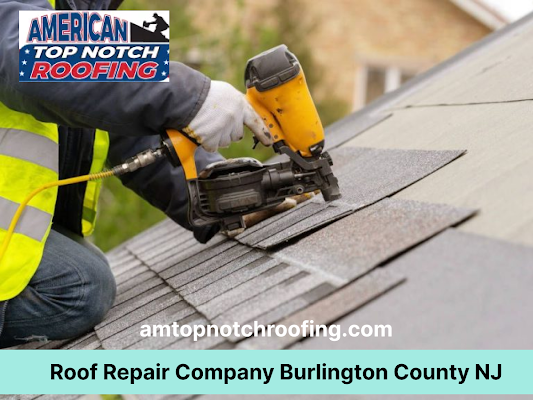
At AM Top Notch Roofing, they offer roof restoration services to protect and extend the life of your roof. They understand that roof restoration is a much more cost-effective solution than roof replacement, and their experienced technicians can provide a comprehensive repair that will restore your roof to its original condition.
Their roof restoration services include the following:
• Pressure cleaning and moss removal
• Repairs any existing damage to the roof
• Application of protective sealants and coatings
• Replacement of any broken or damaged tiles
• Re-pointing and re-bedding of ridge capping
• Re-sealing of any existing leaks
• Valley replacement or repairs
• Repainting of the roof
They use the best quality products and materials for roof restoration services, and all work is carried out to the highest standards of workmanship. Their team of experienced technicians is highly skilled in roof restoration and can provide a comprehensive service that will add years of life to your roof.
They are committed to providing a quality, affordable service at AM Top Notch Roofing. They understand that roof restoration is a significant investment and can save you money in the long run.
Conclusion
AM Top Notch Roofing provides excellent roof repair services in Burlington County. They offer quality workmanship, reliable customer service, and competitive prices. Their staff is knowledgeable, friendly, and professional. With their expertise and attention to detail, they can ensure that your roof repair is done correctly and efficiently.
They also specialize in roof installation and maintenance. No matter the size of your roof or the project’s scope, they can provide a solution that fits your needs. Their commitment to customer satisfaction is second to none, and they will work hard to ensure you are happy with their services. AM Top Notch Roofing is an excellent choice if you’re looking for a reliable roof repair company in the Burlington County area. If you want to learn more about roof restoration services, please do not hesitate to contact them!
Top 5 Tips for Finding a Roof Leak

The roof is one of the essential parts of a house. It protects the interior from the elements, such as rain, snow, and sun, and helps to maintain the structural integrity of the building. However, when a leak develops in the roof, it can cause significant damage to the house’s interior, including mold, rot, and structural damage. As such, it’s crucial to find and repair a roof leak as soon as possible. This blog post will outline the five best tips for finding and repairing a roof leak.
1. Inspect the attic for signs of leaks
The attic is one of the best places to start looking for a roof leak. This is because water will often travel through the roof and into the attic before it becomes visible on the ceiling or walls. When inspecting the attic, look for signs of water damage, such as discoloration or mold on the wood or drywall. Also, check for water stains on the insulation, as this can indicate a leak has been present for some time. Common areas where leaks are likely to occur include around vents or near the chimney, so pay extra attention to these areas.
To inspect the attic for signs of leaks, first, make sure the attic is well-lit. Look for any water stains or discoloration on the walls or ceiling. Check for any mold or mildew, which can indicate a leak. Also, look for any damp insulation or sagging areas, as these can also be signs of a leak. Look for any holes or cracks in the roof decking, as these can also be a source of leaks. If you find any signs of a leak, mark the area and contact a professional to repair the leak.
2. Check for leaks during heavy rainfall
One of the best ways to find a roof leak is to check for leaks during heavy rainfall. This can be done by using a hose to simulate heavy rainfall and checking for leaks around the roof. Check for leaks in different roof areas, including the valleys, eaves, and around skylights or vents. It is essential to check for leaks during different seasons, as weather conditions can change the location of leaks.
To find the source of a leak, use a repair kit to check for water penetration into the roof shingles, flashing, or other framing members. If there is water damage, the leak may be located in these areas. Use a pressure tester to test for leaks at various points around the roof and attic. Repairs should be made where necessary to fix the leaky roofing system. However, a more extensive repair may be necessary if the leak is beyond the roofing system, such as a chimney or vent.
3. Look for missing or damaged shingles
Missing or damaged shingles can lead to leaks in the roof. To check for missing or damaged shingles, examine the roof from the ground and look for any missing or damaged areas. Missing or damaged shingles can be identified by their different color or texture compared to the surrounding ones. If you find any missing or damaged shingles, it’s essential to repair or replace them as soon as possible to prevent leaks.
However, if the leak is located beyond the shingles, it may be necessary to replace the roofing system. In this case, a roofer must inspect the roof for damage and make any necessary repairs. Most roofing systems can be replaced with new shingles, but the replacement may require a contractor or roofer to access the roof. As well as roofing systems, chimney flashing and vent covers can also leak.
4. Check for leaks around flashing
Flashing is used to seal areas where the roof meets walls or other structures, such as chimneys or skylights. Leaks can occur around flashing if it becomes loose or damaged. To check for leaks around the flashing, examine the flashing for any signs of damage or deterioration. Also, check for any signs of water damage or leaks around the area where the flashing meets the roof. If you find any leaks or damaged flashing, it’s essential to repair or replace it as soon as possible.
You may also need chimney flashing when your roof flashing is damaged or missing. However, chimney flashing can be challenging to replace. In some cases, the roofing system may have to be removed to replace the chimney flashing. Contact a roofing contractor or roofer to find out if chimney flashing is required. They have the expertise to assess the roofing system and make necessary repairs.
5. Hire a professional roof inspector
Finding and repairing a roof leak can be challenging, particularly if the leak is difficult to locate. In these cases, hiring a professional roof inspector may be best. A professional roof inspector will have the experience and knowledge to identify and repair leaks that are difficult to find. They will also be able to provide recommendations for regular roof maintenance and inspection to prevent leaks from occurring. It’s essential to hire a reputable and experienced roof inspector to ensure the job is done correctly.
Research the company’s qualifications and history to ensure that you choose the right roofing contractor. Ask for references from past customers. Also, ask about their warranty policies in case of any damage or leak during the roofing installation process. You must protect your property and your roofing investment by hiring a contractor that you can trust. With the help of a roofing contractor, you can ensure that your roof will be leak-free for years to come.
Conclusion
In conclusion, finding and repairing a roof leak as soon as possible is crucial to maintain the structural integrity of the building and to protect the interior from damage. By regularly inspecting the attic, checking for leaks during heavy rainfall, looking for missing or damaged shingles, checking for leaks around flashing, and hiring a professional roof inspector, you can effectively locate and repair any leaks in your roof. Regular roof maintenance and inspection are essential to prevent leaks from happening in the future; it is always better to be proactive than reactive in leak repair! At AM Top Notch Roofing, we repair roof leaks in Burlington County, NJ. Our roofing crews are experienced and equipped to repair roof leaks quickly and efficiently. Contact us today for a free roof leak inspection!
Shingle vs. Tile: Which is Best For Your Replacement?

When it comes to replacing the roof on your home, one of the biggest decisions you’ll have to make is choosing shingles or tiles. Both have their unique set of pros and cons, so it can be difficult to decide which is best for your home. In this blog post, we’ll take a closer look at the differences between shingles and tiles and help you determine which option is the best for your replacement. We’ve got you covered whether you’re looking for durability, energy efficiency, or aesthetic appeal. So, read on to find out which roofing option will be the best for your home.
What is Tile Roofing?

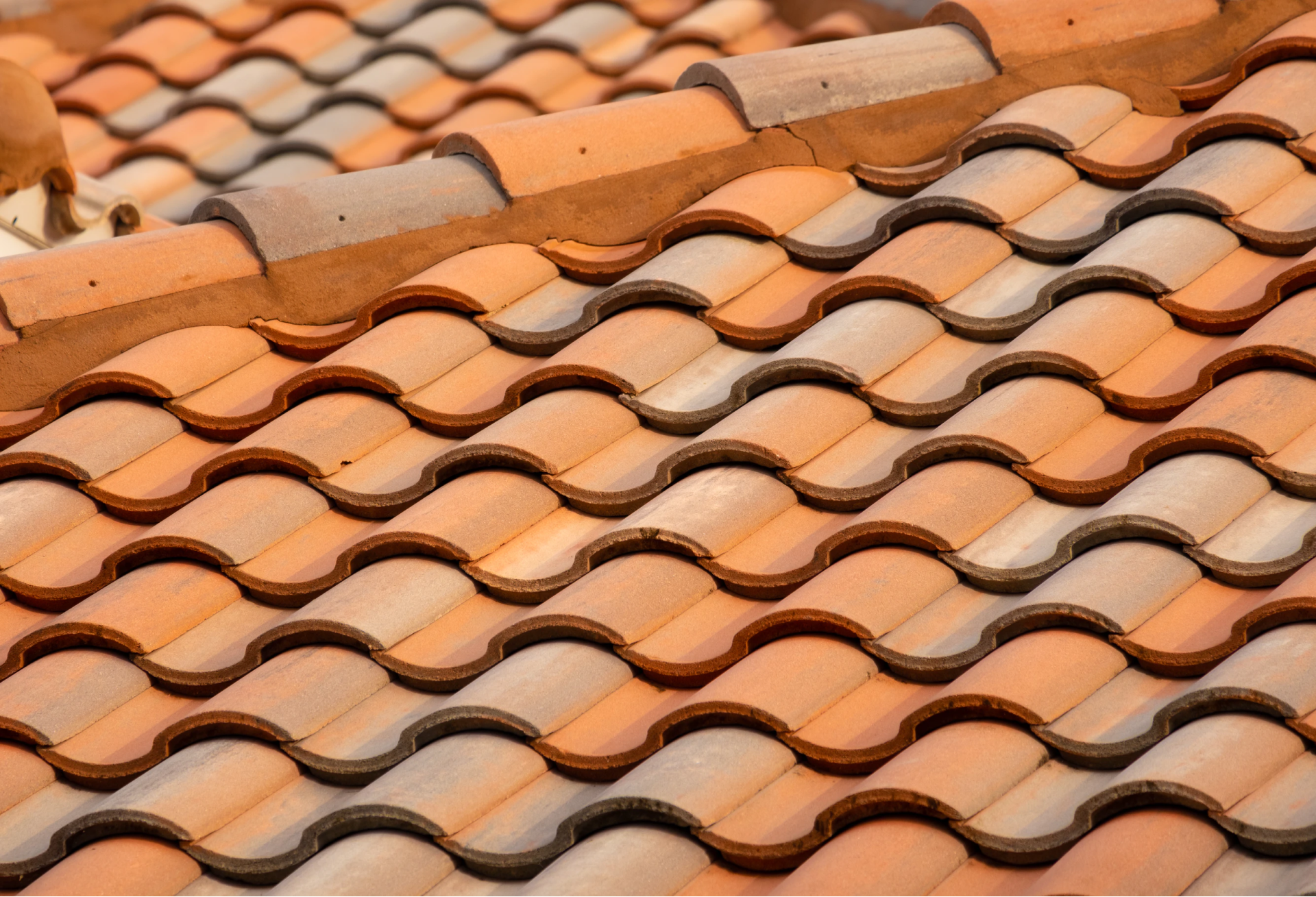
Tile roofing is a popular option for replacement roofs because of its versatility and low cost. It’s made from durable materials, such as asphalt, clay, or concrete tiles, which are easy to install and maintain. There are a variety of tile types that can be used for roofing, including asphalt tiles, clay tiles, and concrete tiles.
Tile roofing is weatherproof and durable, making it a popular choice for roofs in harsh climates. A tile roof provides extensive sky views and can last for many years. If you’re looking to make a significant investment in replacement roofing, tile roofing may be your best option. And with its advantages and favorable cost-benefit ratio, there’s no reason not to consider it when planning your roofing project.
What is Shingle Roofing?
Shingle roofs are a popular roofing option for homes of all sizes. They’re easy to install and economical, but they have some drawbacks that make tile roofing a better choice for many homeowners. Shingles offer durability and resistance to weathering, but they tend to be more costly to replace than tiles. They also need to be more durable in heavy snowfall or high winds.
Shingles provide the same roofing benefits as shingles – durability, color options, and ventilation – but without the additional cost and hassle of installation. Regarding overall roofing durability, shingle roofs still lead the way. They’re highly durable and durable, providing years of protection against weather damage and decay. They’re easy to replace if damaged or worn out, making them a cost-effective option for homeowners who want an affordable roof that can stand up to the elements.
Tile Roofs vs. Shingle Roofs: The Difference
Tile roofs are made up of small, individual tiles that are bonded together. This roofing material is typically less expensive to install than a shingle roof, but it may require more maintenance over time. With a tile roof, the tiles can be decorated or colored to match the exterior of your home, and they are also less likely to develop cracks or break due to their durability. On the other hand, shingle roofs are made of large sheets of material, which are then attached to the roof with fasteners. These roofs require regular maintenance and should be cleaned and repaired as soon as they show signs of damage or wear. Since tile roofs last longer than shingle roofs if properly maintained, they’ve generally considered a more economical option overall.
Appearance
Tile roofs are the most popular type of roof in the United States, accounting for around 50% of all residential roofing installations. They are made from a material called shingles, which are composed of small, overlapping tiles. Shingle roofs are made from large sheets of wood that are then covered in shingles. The shingles on tile roofs have a more traditional appearance and can be more expensive to install than shingle roofs, which have a more modern look and require smaller roof spaces. Shingle roofs are less durable than tile roofs and may require more maintenance than tile roofs. Overall, tile roofs are more aesthetically pleasing and versatile than shingle roofs. However, both types of roofing have their benefits and merits, and it depends on the homeowner’s specific needs and which one is best suited for their roofing needs.
Installation
Tile roofing is made of individual tiles installed on top of one another. On the other hand, shingle roofs are made of wood, plastic, or metal shingles installed over a prepared roof surface. The main advantage of tile roofing is its ease of installation and lower cost than shingle roofing. However, shingle roofs offer a more durable and aesthetically pleasing finished product. With tile roofs, you are more likely to need to replace them sooner than with a shingle roof, as they are more likely to require maintenance and damage. However, tile roofing and shingle roofing have advantages and can provide good value if they meet your needs and budget.
Costs
Tile roofs are more expensive than shingle roofs, but they last longer and require less maintenance. Shingle roofs are easy to install and require few repairs, but tile roofs may require more work. Shingle roofs are more insulated than tile roofs and may require additional insulation in colder climates. In addition, shingle roofs can be replaced with a simple repair kit; however, tile roofs cannot. With its greater durability, shingle roofing can be a more cost-effective option if your needs do not require the aesthetic appeal of tile roofing.
Weight
Shingle roofs are typically lighter than tile roofs, making them a better choice for high-rise buildings. However, tile roofs are more durable and longer-lasting than shingle roofs. They also have fewer roofing materials to worry about. Tile roofs are more expensive than shingle roofs, but they offer a wider range of aesthetic options. Shingle roofs require more maintenance than tile roofs, but they are easier to repair and maintain. Overall, it’s essential to consider the unique pros and cons of both types of roofing when deciding on the best roofing option for your project.
Climate
Tile roofs are a popular choice for homes in warm climates because they are well-suited to hot weather. On the other hand, shingle roofs are a good choice for homes in colder climates because they have greater durability and can be installed over existing roofing. Both tile and shingle roofs require periodic maintenance, but shingle roofs do not. Overall, it is essential to consider your climate when choosing the type of roofing that best suits your home. Whether your tile or shingle, look for quality materials and durability ratings when shopping for a new roof.
Durability
Tile roofs are durable and weather-resistant. They can withstand the elements, such as wind and rain, without leaking or deteriorating. On the other hand, shingle roofs may experience leaks or damage from weather conditions. However, due to their durability, tile roofs are less likely to experience leaks or damage than shingle roofs. Shingle roofs are more affordable than tile roofs but require occasional repairs, while tile roofs require a much smaller maintenance routine. Overall, both roof types have their advantages and disadvantages, depending on which one best suits your needs and preferences.
Maintenance
Tile roofs are more maintenance-intensive than shingle roofs. They require regular maintenance, such as cleaning and replacement of the roofing tiles, to stay in good condition. However, tile roofs provide longer lifespans and better weather protection than shingle roofs. On the other hand, shingle roofs require less maintenance than tile roofs and can be more expensive to replace if damaged or destroyed. If you live in a humid climate, there may be better options than a tile roof. A shingle roof is a good choice if you want an affordable replacement roof that requires minimal maintenance. These roofs cost less than tile roofs but offer superior weather protection and durability compared to other options.
Environmental Concerns
A shingle roof is a more environmentally-friendly option than a tile roof. A shingle roof uses less materials and does not require any sealants or adhesives, which reduces the impact of shingles on the environment. Shingle roofs also have a smaller carbon footprint than tile roofs because they are made with recycled materials. Overall, shingle vs. tile roofs is both good options for homeowners looking for durable and weather-resistant roofs that use sustainable materials. With proper maintenance, shingle vs. tile roofs can last many years without requiring replacement.
Resale Value
Tile roofs are often preferred for their looks and durability. They are less expensive to install and maintain than shingle roofs but may only last for a short time as a shingle roof. Shingle roofs typically have a longer lifespan due to their weather-resistant properties. They are typically more expensive regarding resale value, which is why tile roofs are sometimes chosen for projects with a high cost-to-reward ratio. However, there are many factors to consider before deciding the type of roofing material for your replacement project.
Conclusion
The roofing material you choose will depend on a few factors: the roofing type, your budget, and the roofing system you want. If you compare tile roofs and shingle roofs, they both offer durability, ease of maintenance, and low cost of installation and upkeep. They both have advantages and disadvantages, which help you make the right decision for your home. At AM Top Notch Roofing, we hope this comparison has helped you understand shingle roofing better and made your decision easier! To learn more, contact us today!
Roofing are fact make Easier 10 Reason

Aenean neque nisi, malesuada a pellentesque vitae, posuere ac purus. Proin tempus fermentum tellus, eu fermentum elit efficitur eu. Vestibulum molestie lacus sed interdum sodales. Pellentesque sed enim velit. In laoreet quam sed massa euismod iaculis. Curabitur accumsan sem quis libero tincidunt, sed rhoncus odio tincidunt. Ut in felis mauris. Praesent hendrerit laoreet ultrices. Pellentesque pharetra mauris at ex mattis, non dapibus orci porttitor. Interdum et malesuada fames ac ante ipsum primis in faucibus. Nam tempus bibendum erat ut consequat. Vivamus rhoncus at velit et blandit. Integer in viverra dui.
Sed sed malesuada elit. Curabitur in ex commodo, aliquet nisl nec, dictum velit. Mauris non tellus id ligula mollis tempor ut ut libero. Sed nec ullamcorper eros. Sed non blandit diam. Nam consequat enim mauris, at fringilla arcu vulputate at. Ut ullamcorper rutrum eros, sit amet vehicula mauris. Nunc elementum nibh dui, vel imperdiet velit convallis ac. Fusce nec placerat est. In tristique dolor eu molestie posuere. Suspendisse leo eros, pellentesque vitae nulla pretium, rhoncus ultricies diam. Maecenas sed lacinia turpis.
Mauris feugiat nunc et egestas egestas. Donec vitae placerat sem, at egestas dui. Integer ut sem eu mi sagittis ultrices nec et quam. Proin maximus fermentum libero ut finibus. Aliquam porta maximus efficitur. Pellentesque vitae consectetur nulla, in finibus tortor. Nunc cursus, nulla a tempor consectetur, felis erat consectetur dui, vitae lobortis nunc quam maximus nisi. Integer consectetur, augue euismod posuere mollis, urna arcu commodo mi, ut fringilla risus ipsum id erat. Sed id fermentum mi, ut volutpat orci. Ut facilisis eros lacus, vel consectetur arcu pulvinar a. Fusce lobortis vitae tellus quis sagittis. Cras id dui maximus, imperdiet sem sed, varius quam. Duis tempor eros eros, a pharetra est dignissim sed.
Curabitur eget aliquet nibh. Phasellus elit orci, semper sodales ante et, fringilla accumsan libero. Morbi vel libero ut lorem hendrerit laoreet vel sit amet purus. Sed tristique eu leo vitae placerat. Mauris vitae velit at ipsum maximus aliquet ac ac enim. Interdum et malesuada fames ac ante ipsum primis in faucibus. Mauris a ipsum nec justo ullamcorper mattis ac at dolor. Aenean blandit dui quis erat viverra, varius laoreet felis rhoncus. Fusce volutpat dolor quis metus blandit interdum. Aliquam ultricies hendrerit tincidunt. Sed consequat mi a lorem eleifend porttitor. Vestibulum ullamcorper eu nibh non lacinia. Sed dignissim neque quam, non varius enim vulputate viverra. Vivamus tristique felis erat, vel pharetra lectus vehicula vitae.
Nulla malesuada neque a velit placerat, at semper orci accumsan. Lorem ipsum dolor sit amet, consectetur adipiscing elit. Suspendisse potenti. Aliquam auctor risus dui, nec pellentesque ex ornare at. Pellentesque sit amet maximus metus, porta semper enim. Integer eleifend lectus nulla, eget fermentum lectus molestie sit amet. Sed cursus lectus sed blandit luctus. Nunc quis odio quam. Nullam sollicitudin at lorem vel commodo. Suspendisse in venenatis ligula. Orci varius natoque penatibus et magnis dis parturient montes, nascetur ridiculus mus. Nam elementum rutrum nisl et congue.
Roof ake type specimen book survived notte five centurieslso the leapinto electronic are when anunknown print theyaery ook a galley of type and scrambled it to make a type specimen book. It has survived not only five centuries year areatry eremaining essentially.Roof ake type specimen book survived.
when an unknown printer took a galley of type and scrambled it to make a type specimen book. It has survived not only five centuries, but also the leap into electronic typesetting, remaining essentially unchanged.when an unknown printer took a galley of type and scrambled it to make a type specimen book.
when an unknown printer took a galley of type and scrambled it to make a type specimen book. It has survived not only five centuries, but also the leap into electronic typesetting.
when an unknown printer took a galley of type and scrambled it to make a type specimen book. It has survived not only five centuries, but also the leap into electronic typesetting, remaining essentially unchanged.when an unknown printer took a galley of type and scrambled it to make a type specimen book.
Why Roofing Are Factmake 10 Reason Easier

Roof ake type specimen book survived notte five centurieslso the leapinto electronic are when anunknown print theyaery ook a galley of type and scrambled it to make a type specimen book. It has survived not only five centuries year areatry eremaining essentially.Roof ake type specimen book survived notte five centurieslso the leapinto electronic are when ook a galley of type and scrambled it to make a type specimen.
Roof ake type specimen book survived notte five centurieslso the leapinto electronic are when anunknown print theyaery ook a galley of type and scrambled it to make a type specimen book. It has survived not only five centuries year areatry eremaining essentially.Roof ake type specimen book survived.
Aimply dummy text of the printing and typesetting industry lorem Ipsum has been the industry’s standard dummy text ever area sector since ”
Jessica Mcdade
when an unknown printer took a galley of type and scrambled it to make a type specimen book. It has survived not only five centuries, but also the leap into electronic typesetting, remaining essentially unchanged.when an unknown printer took a galley of type and scrambled it to make a type specimen book.
when an unknown printer took a galley of type and scrambled it to make a type specimen book. It has survived not only five centuries, but also the leap into electronic typesetting.
when an unknown printer took a galley of type and scrambled it to make a type specimen book. It has survived not only five centuries, but also the leap into electronic typesetting, remaining essentially unchanged.when an unknown printer took a galley of type and scrambled it to make a type specimen book.